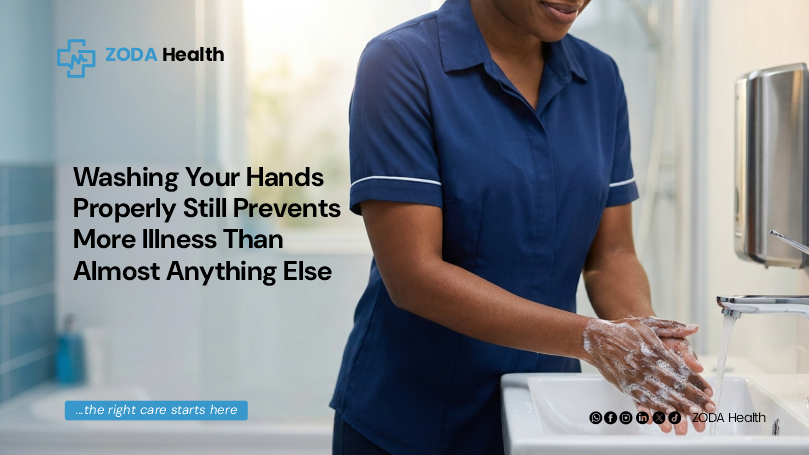
It sounds too simple to matter, but proper handwashing remains one of the single most effective ways to prevent the spread of infections.
Your hands come into contact with hundreds of surfaces a day — door handles, money, phones, public transport rails — all of which can carry bacteria and viruses. From there, it takes only a touch to your eyes, nose, or mouth to introduce those germs into your body, which is how illnesses like diarrhea, flu, and even some skin infections commonly spread.
Proper handwashing means soap and water for at least 20 seconds, covering your palms, between fingers, and under nails — not just a quick rinse. Alcohol-based hand sanitizer (at least 60% alcohol) is a good backup when soap and water aren’t available, but it isn’t a full replacement, especially when hands are visibly dirty.
Key moments to wash: before eating or preparing food, after using the toilet, after handling money or public surfaces, and after coughing or sneezing. Building this into an automatic habit — rather than something you only remember during outbreaks — is what actually protects you and the people around you.
This one habit costs nothing, takes seconds, and consistently ranks among the most effective public health interventions available.
Have symptoms of an infection that won’t go away? Speak to a doctor on ZODA Health for proper diagnosis and treatment.
Leave a Reply