
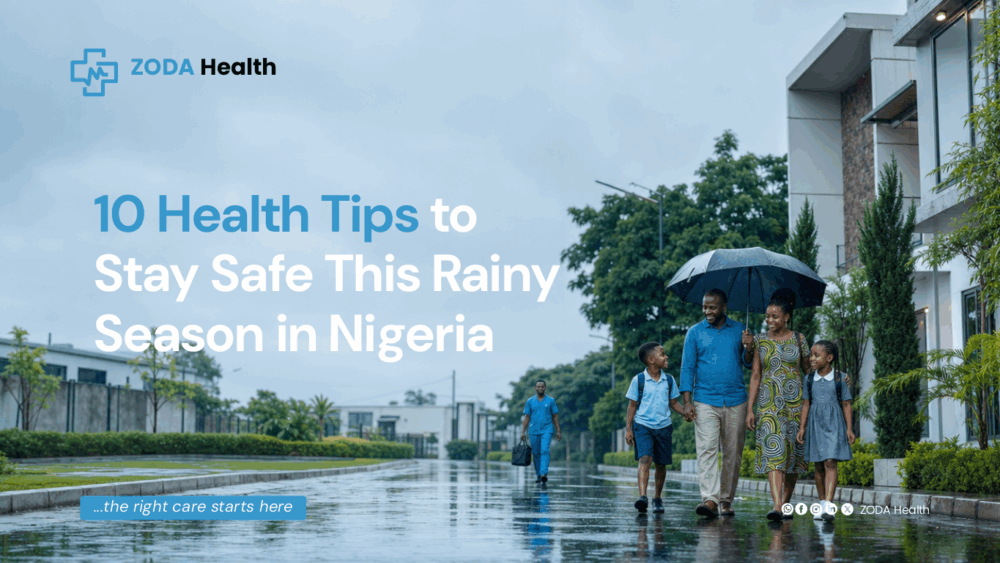

Nigeria’s rainy season, running roughly from April to October, brings relief from the heat but also a spike in waterborne diseases, malaria, respiratory infections, and road accidents. Here’s how to keep yourself and your family healthy until the sun comes back out.
- Boil or Treat Your Drinking Water
Heavy rains often contaminate wells, boreholes, and even sachet water sources with runoff and sewage. Boil water for at least a minute before drinking, or use a reliable water filter/treatment tablets, especially if you notice cloudiness or a change in taste after a storm.
- Clear Stagnant Water Around Your Home
Puddles, blocked gutters, and old tyres or containers that collect rainwater are prime breeding spots for mosquitoes. Check your compound weekly and empty or cover anything that holds standing water to cut down malaria risk.
- Sleep Under a Treated Mosquito Net
Malaria cases rise sharply during the rains. Even with clean surroundings, sleeping under an insecticide-treated net every night remains one of the cheapest and most effective ways to protect your household.
- Wash and Cook Food Thoroughly
Flooding can wash contaminants into farmlands and markets, so wash fruits and vegetables well and cook meat, fish, and eggs until fully done. Avoid raw or lightly cooked street food during heavy rain periods.
- Keep Your Feet Dry and Clean
Walking through floodwater exposes your feet to fungal infections, cuts from hidden debris, and leptospirosis from contaminated water. Wear waterproof footwear where possible, and wash and dry your feet thoroughly once you’re indoors.
- Watch Out for Cholera Symptoms
Cholera outbreaks are common in flood-prone areas during the rains. Sudden watery diarrhoea and vomiting need urgent attention — start oral rehydration immediately and get to a health facility rather than waiting it out at home.
- Protect Yourself from Cold and Respiratory Infections
Sudden temperature drops during downpours make colds, catarrh, and pneumonia more common, particularly in children and the elderly. Keep a jacket or umbrella handy, change out of wet clothes quickly, and avoid staying in air conditioning right after getting drenched.
- Store Food and Medicine Away from Damp and Flooding
Humidity and flooding can spoil grains, ruin medication, and encourage mould growth. Store food in airtight containers on raised shelves, and keep a small first-aid kit and essential medicines somewhere dry and easily accessible.
- Be Extra Careful on Wet Roads
Flooded and slippery roads contribute to more accidents during this period. Slow down while driving or riding, avoid driving through flooded roads of unknown depth, and give pedestrians extra space where drainage is poor.
- Strengthen Your Immune System
Eat vitamin-C-rich fruits like oranges, pineapple, and guava, stay hydrated, and get enough sleep to help your body fight off the extra viruses and bacteria that circulate during the rains. Natural immune boosters are especially useful for children and older family members.
Small precautions go a long way this rainy season. Stay dry, stay alert, and don’t ignore symptoms that linger — early treatment is always easier than a full-blown illness.





Leave a Reply