
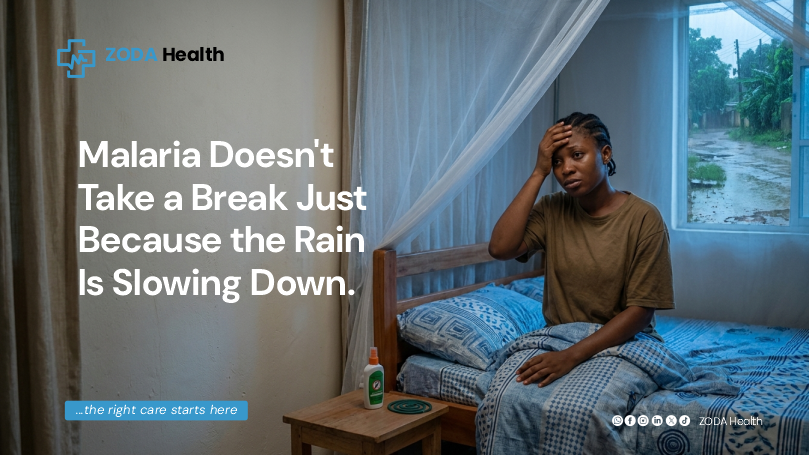

September sits at the tail end of the rainy season in much of Nigeria, and that means stagnant puddles, humidity, and — unfortunately — mosquitoes that are still very much active.
Malaria remains one of the most common reasons people visit clinics in Nigeria, and September’s leftover rainwater is prime breeding ground for mosquitoes. The early symptoms — fever, chills, headache, body aches, fatigue — are easy to mistake for a common cold or just stress, which is exactly why so many cases go undiagnosed until they worsen.
Prevention is still your best defence: sleep under a treated mosquito net, use repellents in the evening, keep standing water away from your home, and screen windows where possible. If you notice a fever that doesn’t break with basic rest and paracetamol within a day or two, don’t wait it out — get tested.
Malaria can progress quickly, especially in children and pregnant women, so early diagnosis makes treatment simpler and recovery faster. A rapid test and a doctor’s guidance can save you days of feeling unwell — or worse.
Feeling feverish or run down? Chat with a doctor on ZODA Health today and get guidance before it escalates.







Leave a Reply